
If you are deciding between a dental crown and a veneer, the biggest difference is how much of the tooth each restoration covers and what problem it is designed to solve.
A veneer covers the front surface of a tooth and is primarily used to improve appearance. A dental crown covers much more of the tooth and is commonly used when a tooth needs added strength, protection, or restoration.
At Rogers Center for Dentistry in Spanish Fork, Utah, both veneers and dental crowns are available. The right choice depends on the condition of the tooth, your bite, your oral health, and what you want the treatment to accomplish.
What Is the Difference Between a Crown and a Veneer?
The main difference is coverage and purpose.
A veneer is a thin restoration bonded to the front surface of a tooth. It is generally used for cosmetic concerns such as discoloration, small chips, gaps, uneven shape, or mild differences in tooth size and symmetry.
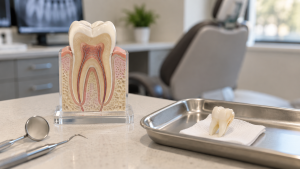
A crown covers the visible portion of a tooth. Crowns are often used when a tooth is weakened, broken, heavily restored, or needs protection after certain dental treatments. A crown can also improve the appearance of a tooth, but its primary purpose is often restorative.
When Might a Veneer Be Considered?
Veneers may be considered when the tooth is generally healthy but there is a cosmetic concern involving the front of the tooth.
Examples may include:
- Discoloration that may not respond well to whitening
- Small chips or worn edges
- Gaps between selected teeth
- Uneven or irregular tooth shape
- Differences in tooth size or symmetry
Traditional porcelain veneers usually require some enamel to be removed from the front of the tooth, so treatment is generally considered irreversible. Existing decay, gum disease, or other oral-health concerns should be addressed before cosmetic veneer treatment.
You can learn more about veneers in Spanish Fork and how Rogers Center for Dentistry evaluates veneer treatment.
When Might a Dental Crown Be Considered?
A dental crown may be considered when a tooth needs more extensive protection or restoration than a veneer is designed to provide.
A crown may be used to:
- Protect a weakened or cracked tooth
- Restore a broken or heavily worn tooth
- Support a tooth with a large filling when limited natural tooth structure remains
- Restore a tooth after root canal treatment when appropriate
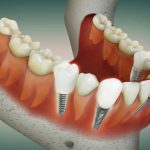
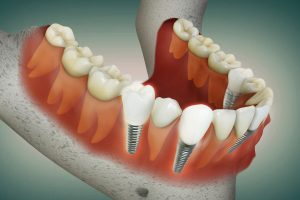
- Cover a dental implant
- Improve the appearance of a severely discolored or misshapen tooth
Because a crown covers more of the tooth than a veneer, the dentist must evaluate how much healthy tooth structure remains and what type of restoration will provide appropriate support.
Learn more about dental crowns at Rogers Center for Dentistry.
Crown vs. Veneer: Which Requires More Tooth Preparation?
Both crowns and traditional porcelain veneers usually require some tooth preparation, but crowns generally cover more tooth structure.
For a porcelain veneer, a small amount of enamel is commonly removed from the front and sides of the tooth so the veneer can fit properly.
For a crown, the tooth is shaped so the restoration can fit over the visible portion of the tooth. The amount of preparation depends on the condition of the tooth, the material being used, and the treatment plan.
Is a Crown Stronger Than a Veneer?
A crown and a veneer are designed for different purposes, so it is more useful to ask which restoration is appropriate for the tooth.
A crown is commonly selected when a tooth needs substantial protection or structural restoration. A veneer primarily changes the front surface and appearance of a tooth.
If a tooth is significantly weakened, cracked, or damaged, a veneer may not provide the coverage or support the tooth needs. If the tooth is healthy and the concern is mainly cosmetic, a crown may involve more tooth preparation than necessary.
Can a Crown and a Veneer Look Similar?
Yes. Both crowns and veneers can be made to coordinate with the color and appearance of surrounding teeth.
The important difference is not simply how they look. It is how much of the tooth they cover and whether the treatment is being used mainly for cosmetic improvement, structural restoration, or both.
What If I Only Have a Small Chip or Cosmetic Concern?
A crown or veneer may not always be necessary for a small cosmetic concern.
Depending on the condition of the tooth and the change you want to make, dental bonding may also be considered. Bonding uses tooth-colored composite material to reshape or repair selected areas of a tooth.
Rogers Center for Dentistry also discusses multiple treatment options in its guide to chipped tooth treatment.
How Does a Dentist Decide Between a Crown and a Veneer?
The decision starts with the condition of the tooth rather than the appearance alone.
A dentist may evaluate:
- How much healthy tooth structure remains
- Whether there is decay, cracking, or previous dental work
- The health of the gums around the tooth
- Your bite and any grinding or clenching habits
- The location of the tooth
- Your cosmetic goals
- Whether the tooth needs structural protection
The goal is to use a treatment that addresses the actual problem without removing more healthy tooth structure than is reasonably necessary.
Dental Crown vs. Veneer in Spanish Fork, Utah
If you are comparing a crown and a veneer in Spanish Fork, the right treatment depends on whether the tooth mainly needs cosmetic improvement, structural restoration, or a combination of both.
Rogers Center for Dentistry provides both cosmetic dentistry and restorative dentistry in Spanish Fork, Utah. An examination can help determine which treatment options fit the condition of your teeth and your goals.
Frequently Asked Questions
Is a veneer the same as a crown?
No. A veneer primarily covers the front surface of a tooth, while a crown covers much more of the visible tooth. Veneers are generally cosmetic, while crowns are commonly used when a tooth needs protection or restoration.
Can a veneer be used instead of a crown?
Sometimes, but only when the tooth is healthy enough and the goal is mainly cosmetic. A veneer may not be appropriate when a tooth is significantly weakened, cracked, decayed, or needs substantial structural protection.
Can a crown be used for cosmetic reasons?
Yes. Crowns can improve the appearance of teeth as well as restore them. However, if a tooth is healthy and the concern is primarily cosmetic, the dentist may also discuss more conservative options such as veneers or bonding.
Which lasts longer, a crown or a veneer?
There is no single lifespan that applies to every crown or veneer. Longevity depends on the material, oral hygiene, bite forces, grinding or clenching, habits, and the condition of the underlying tooth. Both restorations can eventually need repair or replacement.
How do I know whether I need a crown or a veneer?
A dental examination is the best way to decide. The dentist can evaluate the tooth structure, existing dental work, gums, bite, and your goals before recommending an appropriate treatment.
Choosing the Right Restoration for Your Tooth
A crown and a veneer can both improve the appearance of a tooth, but they are not interchangeable treatments.
Veneers primarily address the visible front surface of a tooth. Crowns cover more of the tooth and are commonly used when additional strength or protection is needed.
If you are unsure which option fits your situation, Rogers Center for Dentistry can evaluate your tooth and explain the available cosmetic and restorative options.